Exploitation & Initial Access
This phase covers techniques to gain initial access and harvest credentials on internal networks, including password attacks, relay attacks, and Active Directory exploitation. Each attack category has its own comprehensive guide with detailed techniques, automation scripts, and practice labs.
Warning
Exploitation Guides
Credential Attacks
A07 | Credential HarvestingLLMNR/NBT-NS poisoning with Responder, hash capture and cracking with Hashcat and John, password spraying, and brute force attacks.
NTLM Relay Attacks
A07 | Auth Failuresntlmrelayx attacks, SMB to LDAP relay, IPv6 DNS takeover with mitm6, LDAPS relay for privilege escalation, and computer account creation.
Kerberos Attacks
A04 | Crypto FailuresKerberoasting, AS-REP roasting, Pass-the-Ticket, Golden/Silver ticket attacks, and Kerberos delegation abuse techniques.
Lateral Movement
A01 | Broken Access ControlPass-the-Hash, PsExec, WMI execution, WinRM/Evil-WinRM, SMB execution, DCOM lateral movement, and RDP pivoting techniques.
Privilege Escalation
A01 | Broken Access ControlToken manipulation, service account abuse, UAC bypass, PrintSpoofer, Potato attacks, SeImpersonate privilege abuse, and scheduled task exploitation.
Active Directory Exploitation
A01 | Broken Access ControlDCSync attacks, GPO abuse, ACL exploitation, AdminSDHolder abuse, LAPS abuse, constrained delegation, and resource-based constrained delegation.
Credential Dumping
A07 | Credential HarvestingSAM database extraction, LSASS memory dumps with Mimikatz and pypykatz, secretsdump, NTDS.dit extraction, and credential caching attacks.
Known Vulnerabilities
A03 | Software Supply Chain FailuresEternalBlue (MS17-010), ZeroLogon (CVE-2020-1472), PrintNightmare (CVE-2021-34527), PetitPotam, and other critical Windows/AD vulnerabilities.
ADCS Attacks
ESC1-ESC13Active Directory Certificate Services abuse — template misconfigurations, relay to HTTP enrollment, and certificate theft.
Shadow Credentials
msDS-KeyCredentialLinkKey Trust abuse via msDS-KeyCredentialLink attribute modification for stealthy account takeover.
Coercion Attacks
RPC AbusePetitPotam, PrinterBug, DFSCoerce, and ShadowCoerce — force machine authentication for relay or credential capture.
Delegation Attacks
S4U / RBCDUnconstrained, constrained, and resource-based constrained delegation abuse for service impersonation.
gMSA & LAPS Abuse
Credential TheftExtract group Managed Service Account passwords and Local Administrator Password Solution credentials from AD.
AD Trust Attacks
Cross-DomainForest trust exploitation, SID History injection, ExtraSids golden tickets, and cross-forest lateral movement.
NTLM Downgrade
Drop The MICNTLMv2→v1 downgrade, advanced relay techniques, WebDAV relay, and EPA bypass attacks.
Hybrid Identity
Azure AD ConnectAzure AD Connect exploitation, PTA backdoors, Seamless SSO silver tickets, and PRT theft for on-prem→cloud pivots.
Attack Flow Overview
Quick Reference
Exploitation Methodology
- Identify attack surface - Map network services, protocols, and potential targets
- Choose attack vector - Select appropriate technique based on available access
- Execute exploitation - Use the detailed guides above for specific attack vectors
- Harvest credentials - Extract hashes, tickets, or plaintext credentials
- Move laterally - Pivot to additional systems using captured credentials
Information
Command Quick Reference
| Attack | Tool | Command |
|---|---|---|
| LLMNR Poison | Responder | sudo responder -I eth0 -dwPv |
| NTLM Relay | ntlmrelayx | ntlmrelayx.py -tf targets.txt -smb2support |
| Kerberoast | GetUserSPNs | GetUserSPNs.py domain/user:pass -request |
| AS-REP Roast | GetNPUsers | GetNPUsers.py domain/user:pass -request |
| Remote Shell | psexec.py | psexec.py domain/admin:pass@TARGET |
📚 Recommended Reading
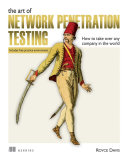
The Art of Network Penetration Testing
Royce Davis
Modern internal pentest walkthrough — enumeration, exploitation, pivoting, and AD attacks with real-world methodology.
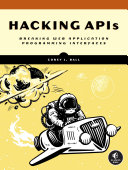
Hacking APIs
Corey Ball (2022)
Exploiting internal and web APIs — authentication flaws, BOLA, injection, and mass assignment in modern environments.
Related Topics
AD Attack Paths
Deep dive into Active Directory attacks
Post-Exploitation
Persistence and lateral movement
Impacket Cheatsheet
Python AD attack tools
nxc Cheatsheet
Network pentesting swiss army knife
BloodHound Cheatsheet
AD relationship mapping
Authentication Remediation
Secure credential management
As an Amazon Associate I earn from qualifying purchases.